
Traditional home decor builds a timeless, elegant living space by layering classic furniture silhouettes, rich wood tones, symmetrical arrangements, and ornate details that have anchored design for generations. This style draws from European and American heritage interiors, favoring quality craftsmanship over fleeting trends and creating rooms that feel both formal and welcoming. If you’re drawn to antique-inspired furnishings, crown molding, upholstered wingback chairs, and curated collections displayed on wooden shelving, you’re already gravitating toward traditional design.
The appeal lies in its permanence. Traditional decor resists the churn of seasonal trends, investing instead in pieces that carry weight and history. A carved mahogany dining table or a Persian-style rug becomes an anchor for decades, not just a few years. That sense of stability has drawn renewed interest from homeowners who want spaces that feel rooted and intentional, especially as minimalist and industrial styles give way to warmer, layered interiors.
What makes traditional style accessible is its flexibility across budgets and home types. You don’t need a sprawling estate to make it work. A studio apartment can embrace traditional elements through a tufted loveseat, brass sconces, or vintage frames grouped on the wall. The key is choosing pieces with classical proportions and finishes, whether you’re sourcing estate sale finds or investing in heirloom-quality furniture. This guide will walk you through the defining characteristics of traditional decor, showcase how it adapts across global homes, and provide practical projects and shopping strategies to bring this enduring style into your space.
What Defines Traditional Home Decor in 2026
Traditional home decor centers on creating spaces that feel established, refined, and enduring. Unlike primitive decor which embraces rustic simplicity, traditional style draws from European design heritage, particularly 18th and 19th-century English and French aesthetics. The result is an elegant, formal look that prioritizes comfort and quality craftsmanship.
Symmetry forms the foundation of traditional design. Matching table lamps flanking a sofa, balanced furniture arrangements around a fireplace, and evenly spaced artwork create visual harmony. This deliberate balance extends throughout the room, from the placement of chairs to the arrangement of decorative objects on a mantel.
Classic furniture silhouettes distinguish traditional spaces from contemporary ones. Think wingback chairs with tufted upholstery, rolled-arm sofas, camelback settees, and ornately carved wooden tables. These pieces feature curved lines, turned legs, and substantial proportions that command presence without feeling bulky. Quality matters more than quantity, a single well-crafted antique chest outweighs three mass-produced alternatives.
- Rich Wood Tones
- Cherry, mahogany, and walnut finishes anchor traditional rooms with warmth. Today’s approach mixes these darker woods with lighter oak or painted pieces for a less heavy feel.
- Layered Textiles
- Silk curtains, velvet upholstery, Persian rugs, and damask pillows create depth and luxury. Modern interpretations use performance fabrics that maintain the look while handling real life better.
- Classic Color Palettes
- Deep burgundy, forest green, navy, and warm beige form the traditional foundation. Current iterations lighten these with cream, soft gray, and muted pastels for breathability.
- Architectural Details
- Crown molding, wainscoting, coffered ceilings, and paneled walls add character. Contemporary spaces achieve similar effects with simplified versions or strategic placement in focal areas.
What makes traditional style feel fresh in 2026 is its adaptability. Homeowners now mix antique finds with modern conveniences, incorporate global textiles alongside European classics, and lighten heavy color schemes with strategic whites and neutrals. Traditional design has shed its stuffy reputation by embracing edited collections over cluttered maximalism. The core principles remain, symmetry, quality, timelessness, but the execution allows for personal expression and practical living.
The style also accommodates technology seamlessly. Flat-screen televisions fit into built-in cabinetry, smart home devices hide behind classic furniture, and traditional spaces function for contemporary lifestyles without sacrificing their elegant character.
The Appeal of Going Traditional: Why Homeowners Are Choosing Classic Over Contemporary
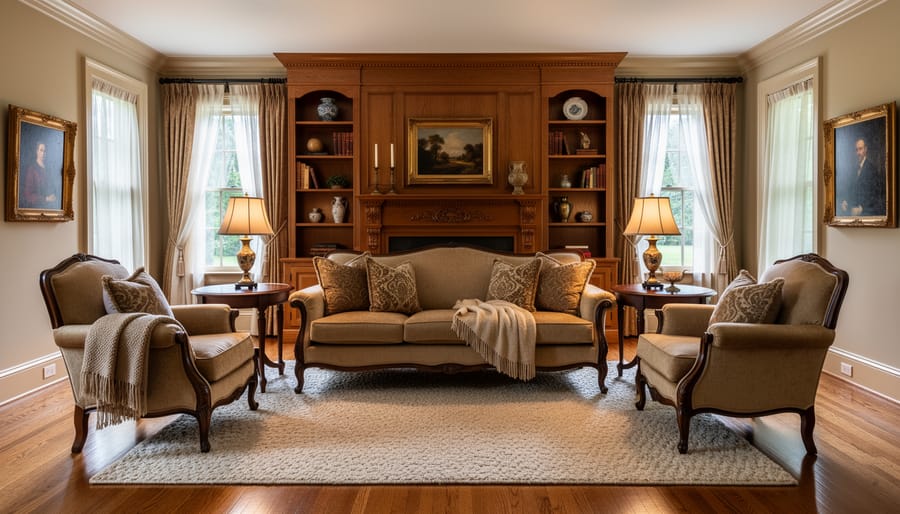
A Response to Minimalist Fatigue
After years of living in spaces that felt more like galleries than homes, many people are craving something different. Minimalism promised simplicity and calm, but for countless homeowners, those stark white walls and sparse furnishings began to feel cold rather than serene. Traditional decor answers this fatigue with layers of texture, collections that tell stories, and rooms that invite you to actually sit down and stay awhile.
The shift isn’t about rejecting minimalism entirely, it’s about reclaiming personality. Traditional spaces embrace the things minimalism stripped away: pattern mixing that creates visual interest, shelves filled with meaningful objects, and furniture that looks like it has a history. Where minimalist rooms often felt like they might reject you if you left a coffee cup out, traditional spaces welcome the messy reality of daily life. They’re designed for living, not just looking.
This return to warmth feels particularly resonant now, as people spend more time at home and want their spaces to reflect who they are rather than what’s trendy.
The Comfort Factor
Traditional spaces tap into something deeply human: our need for stability and rootedness. When you walk into a room with established furniture arrangements, layered textiles, and pieces that look like they’ve been there for decades, your nervous system relaxes. There’s no pressure to perform or impress. The space communicates permanence, which feels increasingly rare when so much of modern life changes rapidly.
This comfort goes beyond aesthetics. Traditional rooms invite you to settle in with their deep-cushioned sofas, substantial wooden tables, and abundance of soft surfaces. They accommodate real living, books left on side tables, family photos in heirloom frames, worn rugs that map the traffic patterns of daily life. Where stark contemporary spaces can feel like they’re waiting for a photographer to arrive, traditional interiors embrace the beautiful messiness of being lived in. They don’t demand perfection; they offer refuge. For homeowners exhausted by maintaining pristine, Instagram-ready rooms, traditional decor provides permission to actually inhabit their spaces rather than just curate them.
Traditional Decor Around the World: Global Perspectives
Traditional style isn’t a single look that translates identically from London to Boston to Paris. Each culture interprets “traditional” through its own history, climate, and values, creating distinct aesthetics that share common threads of craftsmanship, permanence, and connection to the past.
English Country Estates: Layered Elegance
Step into a traditional English home and you’ll find rooms that feel collected rather than decorated. Floral chintz fabrics mix with worn leather armchairs. Persian rugs layer over stone floors. The palette draws from the countryside: moss greens, burnt oranges, and deep burgundies that feel grounded in the landscape. What makes English traditional distinctive is its embrace of pattern-on-pattern and the lived-in quality that comes from generations of family pieces coexisting in the same space. Nothing matches too perfectly, yet everything belongs.
American Colonial: Refined Simplicity
Traditional American homes tell a different story. Think Federal-style symmetry, Windsor chairs flanking a dining table, and Williamsburg blue walls that frame dark wood furniture. The aesthetic is more restrained than its English counterpart, reflecting early American values of practicality and understated elegance. Braided rugs, pewter accents, and portraits in ornate frames create spaces that honor history without feeling frozen in time. The warmth comes from wood, the richness of mahogany and cherry pieces that anchor rooms with quiet dignity.
French Provincial: Romantic Refinement
French traditional interiors lean into romance. Distressed finishes on furniture suggest centuries of use. Toile fabrics depict pastoral scenes. Colors soften into creams, pale blues, and lavender grays. Carved wood details and gilded mirrors add elegance without heaviness. What sets French traditional apart is its ability to feel both refined and approachable, formal enough for entertaining yet inviting enough for daily life.
Asian Traditional Elements: Balance and Restraint
Traditional Asian interiors operate on different principles. Japanese spaces emphasize natural materials, clean lines, and the beauty of empty space. Chinese traditional homes feature lacquered furniture, silk textiles, and symbolic motifs. Common across Asian traditional design is intentionality: every element serves a purpose, creating harmony through careful balance rather than abundant ornament.
These global interpretations show that traditional decor isn’t about copying a formula. It’s about understanding how different cultures have created lasting beauty through quality materials, thoughtful arrangement, and respect for heritage.
Key Elements to Incorporate in Your Traditional Home
Furniture: Classic Silhouettes That Stand the Test of Time
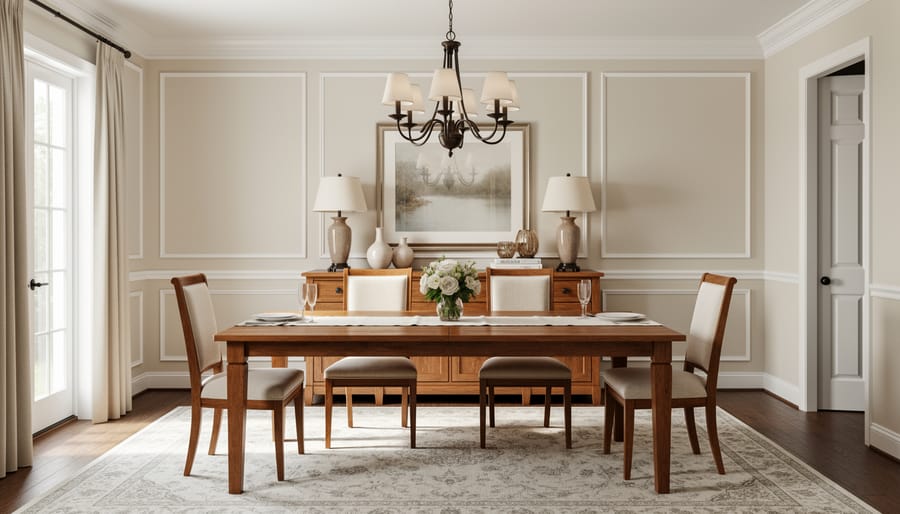
Traditional furniture pieces anchor a room with their proven proportions and enduring appeal. A wingback chair, with its distinctive high back and rolled arms, offers both comfort and visual weight in a living room or bedroom corner. Chesterfield sofas bring deep button-tufted leather upholstery and classic rolled arms that look equally at home in a formal parlor or casual den.
For dining spaces, solid wood tables in walnut, mahogany, or cherry deliver the substance traditional style demands. Look for turned legs, apron details, and construction quality that suggests permanence rather than trend.
Budget-conscious decorators can find similar silhouettes without the investment piece price tag. Reproduction furniture makers offer wingback chairs starting around $400, while vintage shops frequently stock solid wood tables needing only minor refinishing. Even large retailers now carry traditionally-styled sofas with classic lines at accessible price points. The key is selecting pieces with proper proportions and avoiding shortcuts like thin arms or lightweight frames that betray quality. A well-chosen traditional piece, whether vintage or new, brings immediate credibility to your space.
Color Palettes: Rich, Warm, and Timeless
Traditional color palettes center on depth and warmth rather than stark contrast. Deep burgundy, forest green, and navy blue create the foundation, these aren’t accent colors but room anchors that work beautifully on walls or large upholstered pieces. Pair them with warm neutrals like cream, caramel, and soft taupe to prevent spaces from feeling heavy.
Layer in supporting tones such as golden amber, terracotta, and sage to add dimension without disrupting the cohesive feel. These colors age gracefully and photograph well in any lighting, which explains their staying power across centuries. Unlike trendy pastels that date quickly, traditional palettes grow richer as textiles fade slightly and wood finishes develop patina, rewarding homeowners who commit to quality pieces designed to last decades.
Textiles and Layering
Textiles and layering separate traditional interiors from sparse, minimalist spaces. Start with window treatments: heavy drapes in damask, velvet, or silk add instant warmth and formality. Pair them with sheers underneath for light control and depth.
Area rugs anchor furniture groupings and soften hard floors. Traditional rugs feature Persian or Oriental patterns, florals, or medallion designs in rich colors. Layer a smaller decorative rug over a larger neutral one for added dimension.
Throw pillows deserve attention. Mix patterns like toile, plaid, and brocade across your sofa, but keep a consistent color story. Use varied textures, velvet, linen, silk, and include at least one pillow with trim or tassels.
Upholstery choices matter equally. Traditional spaces embrace patterned fabrics on chairs and sofas rather than solid neutrals. Damask, chinoiserie, and botanical prints work beautifully. Don’t fear mixing patterns; traditional rooms thrive on controlled eclecticism where fabrics share tones but vary in scale and design.
Architectural Details and Millwork
Architectural details transform ordinary rooms into spaces with character and history. Crown molding draws the eye upward and adds elegance where walls meet ceilings, even simple profiles make a noticeable difference. Wainscoting brings texture and visual interest to walls while protecting high-traffic areas from scuffs and wear.
Consider picture rail molding if you rent or prefer flexibility with artwork placement. Chair rail molding naturally divides wall space and creates opportunities for two-tone paint treatments or wallpaper accents. Ceiling medallions frame chandeliers and light fixtures with traditional flair.
Door and window casings matter more than most people realize. Replacing flat, builder-grade trim with substantial casings featuring rosette corners instantly elevates a room’s traditional credentials. Built-in bookcases with decorative brackets and baseboards measuring at least five inches tall ground furniture and complete the layered look traditional homes are known for.
DIY Traditional Decor Projects You Can Start This Weekend
Ready to add traditional charm to your home without the designer price tag? These three DIY projects deliver classic elegance in a single weekend, regardless of your skill level or budget. Each transforms ordinary spaces into rooms with character and warmth.
- Create a Gallery Wall with Ornate FramesHunt thrift stores and estate sales for mismatched ornate frames in gold, bronze, or dark wood finishes. Spray paint them in a unified color if needed, or embrace the eclectic charm of varied patinas. Arrange frames on the floor first to plan your layout, then hang them salon-style with 2-3 inches between each frame. Fill them with family photos, botanical prints, or vintage artwork. This project costs as little as $30-50 and instantly adds traditional sophistication to any room.
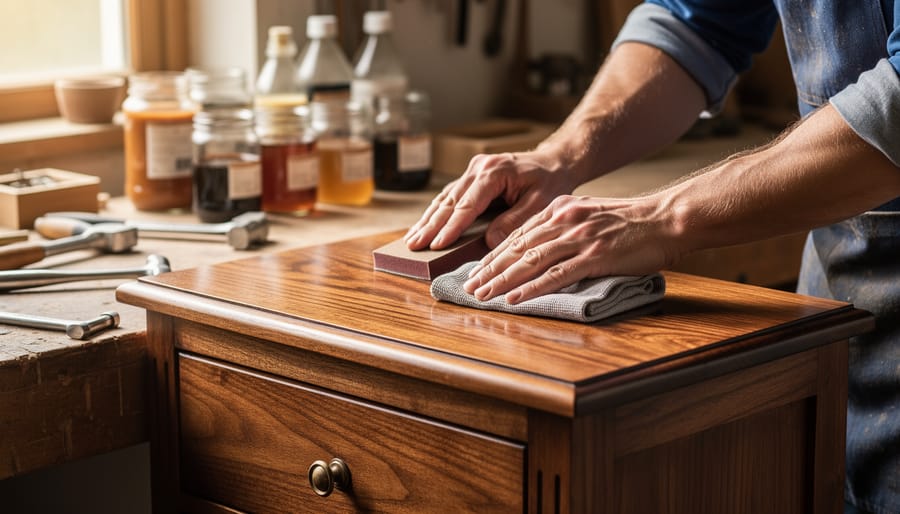
- Refinish Furniture with Classic StainsTransform a plain wooden dresser or side table into a traditional showpiece using gel stain in rich walnut or mahogany. Sand the piece lightly, apply gel stain with a brush or cloth, and finish with clear polyurethane for protection. The depth and warmth of these classic wood tones anchor traditional spaces beautifully. Budget around $40 for supplies, and you’ll have a piece that looks like a family heirloom.
- Make Custom Window TreatmentsElevate basic windows with lined curtain panels featuring classic patterns like damask, toile, or subtle stripes. You don’t need sewing skills for simple rod-pocket curtains; fabric stores often hem for a small fee, or use iron-on hem tape. Hang panels high and wide (nearly ceiling to floor) for a luxurious traditional look. Expect to spend $60-100 per window, far less than custom treatments.
These projects work beautifully as standalone updates or as part of broader affordable redesign ideas that refresh your entire space. Start with the project that excites you most. Traditional decor rewards patience and attention to detail, but none of these require professional skills. The key is choosing elements that feel authentic to you rather than following rigid rules. Your home should tell your story, wrapped in the comfort and elegance that traditional style provides.
Shopping for Traditional Decor: What to Look For
Smart shopping for traditional decor begins with knowing where to look and what to examine. Whether you’re hunting for authentic antiques or quality reproductions, the right approach helps you build a cohesive, beautiful space without overspending.
Start with local antique stores and estate sales, where genuine traditional pieces often surface at reasonable prices. Examine furniture construction closely: look for dovetail joints in drawers, solid wood frames rather than particleboard, and hand-carved details. Run your hand along surfaces to feel quality craftsmanship. Estate sales especially offer entire room settings, giving you a sense of how pieces work together while helping you save money shopping compared to retail.
Online marketplaces like Chairish, 1stDibs, and Facebook Marketplace expand your options considerably. Filter searches by era and style to avoid scrolling through incompatible pieces. Request additional photos showing construction details, wear patterns, and dimensions. Reproduction retailers such as Ballard Designs and Restoration Hardware provide new traditional furniture with the benefit of warranties and consistent sizing.
For investment pieces, prioritize items you’ll use daily: a quality dining table, a well-constructed sofa, or a solid wood dresser. These anchor your rooms and last decades. Balance these with budget-friendly finds like vintage mirrors, secondhand side tables, and reproduction lighting fixtures.
Watch for common pitfalls: veneered furniture marketed as solid wood, reproduction pieces priced like genuine antiques, and overly distressed finishes that look artificial. Traditional doesn’t mean damaged. Minor wear adds character, but structural issues or extensive repairs signal trouble.
Set a realistic budget before you shop and stay on budget by creating a priority list. Buy the best quality you can afford for high-use items, then fill in around them gradually. Traditional style rewards patience. The most beautiful spaces develop over time as you discover pieces that genuinely speak to you.
Connecting with the Traditional Design Community
The renewed appreciation for traditional home decor has sparked a vibrant community of enthusiasts eager to share ideas, discover resources, and connect with like-minded homeowners. Online forums, social media groups, and design blogs have become gathering places where people exchange advice on sourcing antique pieces, discuss restoration techniques, and celebrate their traditional spaces.
If you’re looking to immerse yourself in the broader world of home design trends, Furnish 2026 offers an opportunity to explore traditional decor alongside other styles and connect with fellow design lovers. Tickets are available at for those interested in attending.
Beyond events, local antique markets, estate sale communities, and restoration workshops provide hands-on ways to deepen your knowledge and meet others who appreciate the craftsmanship and character of traditional design. These connections often lead to valuable tips on finding hidden gems, reliable artisans, and inspiration for your own home. The traditional design community welcomes everyone from seasoned collectors to those just beginning their journey into classic style.
Traditional home decor isn’t just a passing trend, it’s a return to spaces that feel genuinely yours. While design styles will always evolve, the core appeal of traditional interiors remains constant: they offer warmth, character, and a sense of permanence that resonates deeply with how we want to live.
You don’t need to transform your entire home overnight. Start with one room, or even one corner. Add a wingback chair you’ve been eyeing, hang those framed family portraits you’ve kept in storage, or simply swap out stark white walls for a richer, warmer hue. Each thoughtful addition builds upon the last, creating layers of comfort and personality that make a house feel like home.
The beauty of traditional decor lies in its flexibility. Whether you’re drawn to English country elegance, American Colonial simplicity, or French provincial charm, you can adapt these elements to reflect your personal story and lifestyle. Mix inherited pieces with carefully chosen new finds. Blend different eras and influences. The goal isn’t museum-perfect accuracy, it’s creating a space where you feel grounded and content.
Your home should tell your story, not follow a formula. Embrace the timeless elements that speak to you, trust your instincts, and create rooms that welcome you home every single day. After all, the most beautiful interiors are the ones that reflect the people who live in them.