
Modern room decor in 2026 centers on bringing warmth and organic beauty into your space through natural materials, soft sculptural shapes, and earthy color palettes that feel grounded rather than sterile. The shift away from cold minimalism means your living room can finally embrace deep greens, terracotta, warm browns, and sand tones alongside tactile materials like bouclé, linen, wool, and matte ceramics that invite you to actually touch and enjoy your surroundings.
This transformation doesn’t require a complete overhaul or unlimited budget. Small, intentional updates create significant impact when you understand which elements define the modern aesthetic right now. Natural wood furniture, stone accents, and fluid shapes replace the sharp angles and monochrome schemes that dominated previous years, creating rooms that feel both contemporary and genuinely livable.
The eight ideas ahead work across rental apartments and owned homes alike, from swapping throw pillows to reimagining entire wall treatments. Each suggestion draws from verified design trends while remaining practical enough to implement this weekend or plan for gradually. You’ll find options inspired by global house tours that demonstrate how different cultures interpret modern design, plus DIY projects that let you customize the look to match your personal style and spending comfort level.
What makes these ideas particularly effective is their flexibility. A single natural wood coffee table or a set of ochre-toned cushions can anchor an entire room’s transformation, proving that modern doesn’t mean starting from scratch. The goal is creating spaces that reflect current design thinking while feeling authentically yours, not like a showroom that’s off-limits to daily life.
How We Chose These Modern Room Decor Ideas
We curated these eight modern room decor ideas by analyzing verified 2026 interior design trends published in January and March this year, which reveal a clear shift toward natural materials, wood, stone, linen, bouclé, wool, and matte ceramics, paired with fluid furniture shapes and warmer color palettes.
This approach builds on the principles of warm minimalism while incorporating earthy tones like deep greens, terracotta, sand, and ochre. Each idea was selected for practical implementation across various budget levels, ensuring you can stay on budget whether you’re refreshing one corner or an entire room. We also drew from global design influences to showcase how these trends translate into real, livable spaces.
1. Layer Natural Textures for Depth and Warmth
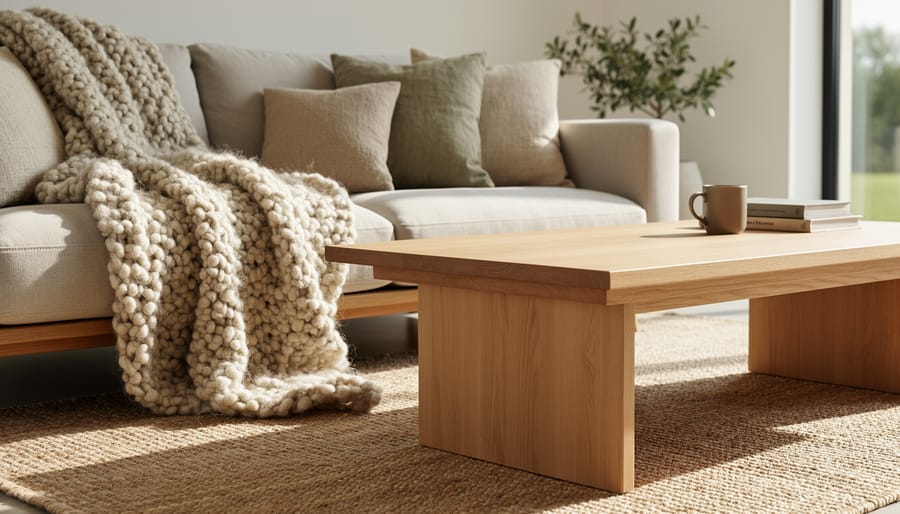
The fastest way to soften a modern space is to layer natural textures across your furniture and soft furnishings. Start with a base layer like a wool or jute area rug, then build up through linen curtains, bouclé upholstery, and raw wood accent pieces. These materials work together because each brings its own tactile quality, wool adds warmth underfoot, linen introduces relaxed drape, bouclé offers plush depth, and raw wood grounds the room with organic grain patterns.
In living rooms, pair a bouclé sofa or armchair with linen throw pillows in varied sizes, then drape a chunky wool throw over one arm. The contrast between smooth linen and textured bouclé creates visual interest without competing for attention. For bedrooms, layer a linen duvet cover with wool or cotton waffle-weave blankets, and add matte ceramic lamps on raw wood nightstands. The key is mixing rather than matching, three or four different natural textures in one space feels intentional and curated.
If you’re working within a budget, focus on smaller textile layers first. Custom linen pillow covers are surprisingly simple to make: buy linen fabric by the yard, cut two squares slightly larger than your pillow insert, sew three sides with a half-inch seam allowance, insert the pillow, and hand-stitch the opening closed. Pre-washed linen in sand, ochre, or warm grey tones costs around fifteen to twenty dollars per yard and instantly elevates any sofa or bed.
2. Embrace Earthy, Nature-Inspired Color Palettes
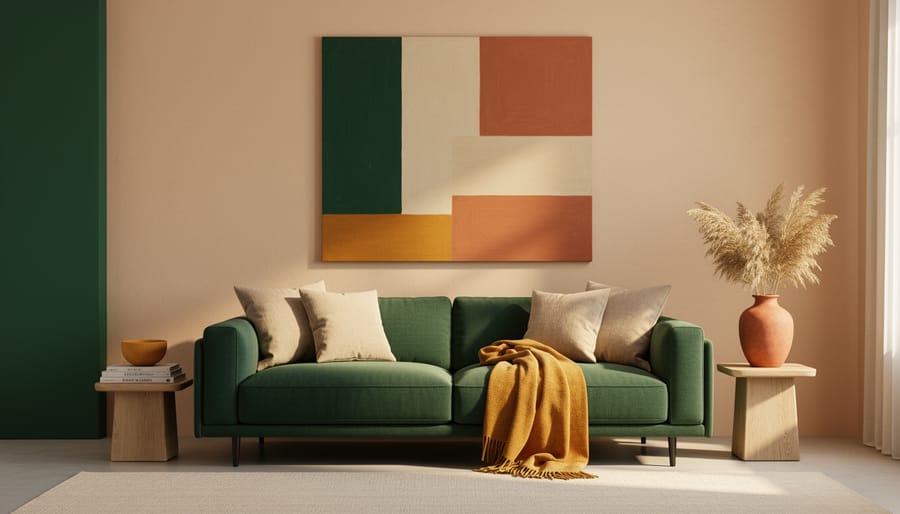
The color palette of 2026 marks a decisive turn from stark white walls and cool grays toward hues that feel grounded and organic. Deep forest greens, sandy beiges, burnt ochre, terracotta, and warm chocolate browns now anchor modern interiors, creating spaces that feel connected to the natural world without sacrificing contemporary polish. These shades work because they’re inherently versatile, sophisticated enough for a refined living room yet relaxed enough for a bedroom retreat.
In living spaces, consider a deep green accent wall behind your sofa, balanced with sand-colored upholstery and ochre throw pillows. The richness of the green provides drama while the neutrals keep it approachable. Bedrooms respond beautifully to terracotta bedding layered over warm brown or cream walls, creating a cocoon-like atmosphere that invites rest. Dining areas gain character when you introduce these tones through upholstered chairs in earthy hues or a sideboard in natural walnut paired with ochre ceramics.
- Living room: Deep green walls + sand sofa + terracotta accents
- Bedroom: Warm brown walls + ochre bedding + forest green textiles
- Dining space: Natural wood furniture + terracotta upholstery + sandy table linens
A Barcelona apartment featured in recent design tours demonstrates this palette’s power. The owners painted their main living area in a muted sage green, then furnished it entirely with pieces in caramel leather, natural oak, and sand linen. The result feels modern and curated but genuinely warm, proof that earthy tones deliver the comfort today’s homes need without looking dated or rustic.
3. Introduce Soft, Fluid Furniture Shapes
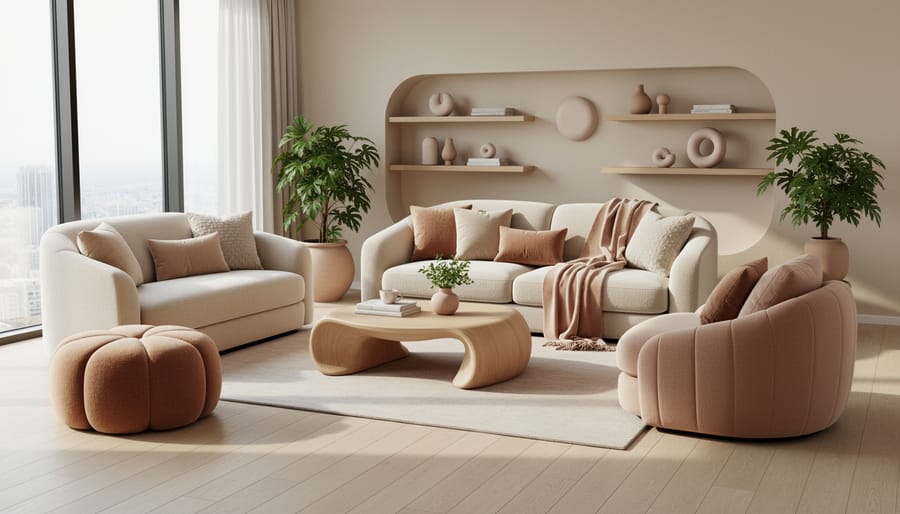
Angular furniture dominated minimalist design for years, but 2026’s modern aesthetic embraces curves and organic forms that make rooms feel softer and more inviting. Rounded sofas, circular coffee tables, and accent chairs with flowing lines create visual warmth while maintaining the clean sophistication of contemporary design.
Look for pieces with continuous curves rather than sharp corners, a crescent-shaped sofa anchors a living room without the severity of traditional L-shapes, while a coffee table with rounded edges flows naturally around seating. Sculptural accent chairs with shell-backs or barrel silhouettes double as functional art. These fluid shapes work particularly well when paired with burnt orange accents or other earthy tones that amplify the organic feel.
CB2 offers strong options across both contemporary curved designs and vintage-inspired pieces with the rounded profiles popular in mid-century aesthetics. For budget-conscious updates, start small with a single curved accent chair or ottoman rather than replacing major seating. Thrift stores and vintage shops often stock rounded pieces from the 1960s and 70s that fit this trend perfectly at a fraction of retail prices.
The key is balance, one or two curved pieces create interest without overwhelming a space, especially in rooms where architectural elements remain angular.
4. Bring the Outdoors In with Natural Stone Accents
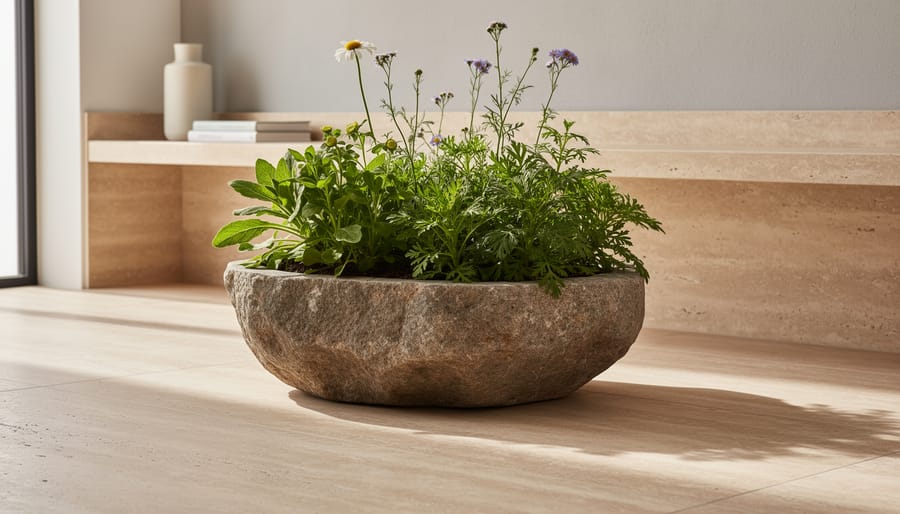
Stone brings an elemental quality to modern interiors that grounds the warmth and softness of the trend we’ve been building. A marble-topped side table beside your sofa, a travertine planter housing a fiddle leaf fig, or a collection of smooth river rock candle holders on your coffee table, each introduces organic texture and weight that feels simultaneously current and timeless.
In living rooms, try a stone pedestal side table to anchor a seating area or display sculptural stone bookends on floating shelves. Bedrooms benefit from stone table lamps with warm-toned shades or a smooth granite tray corralling perfume bottles on your dresser. Kitchens and dining spaces suit stone trivets, mortar and pestle sets displayed as art, or a dramatic marble cutting board leaning against the backsplash.
Feature walls in natural stone offer a bolder statement. A textured limestone accent wall behind your bed or living room media console creates instant architectural interest, though this obviously requires more investment than accessories.
Maintenance matters with stone. Marble stains easily, so seal porous surfaces and wipe spills immediately. Travertine and limestone need periodic resealing to prevent water damage. Slate and granite are more forgiving but still appreciate coasters and gentle cleaning. For low-commitment experimenting, start with decorative objects rather than furniture, a set of three limestone spheres or a single substantial stone bowl costs less yet delivers the material’s visual impact.
5. Mix Contemporary Pieces with Vintage Icons
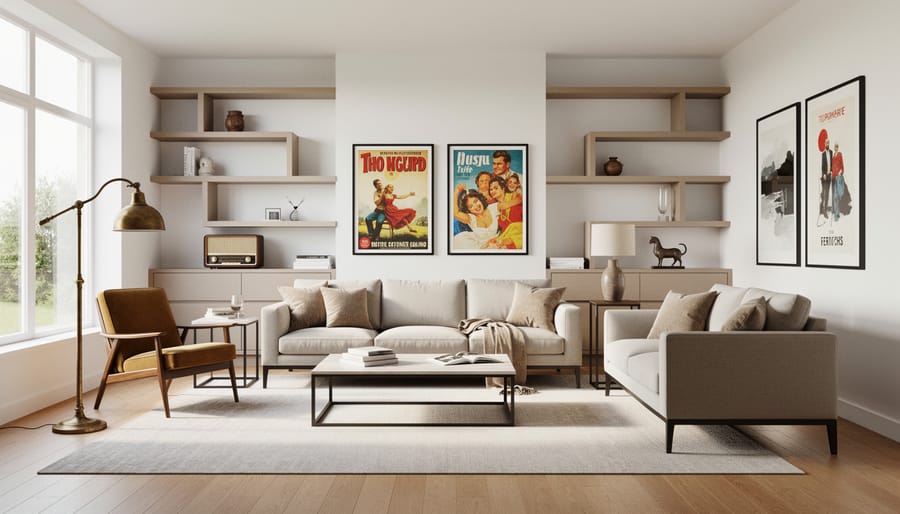
Mixing old and new creates rooms with genuine character that feel collected over time rather than catalog-ordered. The contemporary-vintage blend taps into sustainability, giving quality older pieces a second life, while adding the patina and craftsmanship that mass-produced furniture often lacks. A vintage Danish teak credenza grounds a living room anchored by a sleek modern sofa, or a mid-century brass floor lamp balances out minimalist shelving. The contrast makes each element stand out rather than blending into visual monotony.
Start sourcing vintage at local estate sales, consignment shops, and online marketplaces like Chairish or Facebook Marketplace, where you’ll find one-of-a-kind chairs, tables, and lighting. Look for solid construction and timeless silhouettes, pieces that feel special but not so ornate they compete with your room’s modern foundation. CB2’s collections blend contemporary designs with rediscovered vintage icons, offering a curated starting point if hunting secondhand feels overwhelming.
Balance is key: anchor the room with larger modern pieces (sofa, bed frame, primary seating), then layer in vintage accents at a ratio of roughly one vintage item for every two or three contemporary ones. In a Copenhagen apartment I toured last year, the designer paired a 1970s walnut dining table with new molded-plastic chairs and a sculptural pendant light, the warmth of aged wood made the modern elements feel less sterile, while the clean-lined chairs kept the space from tipping too nostalgic. Stick to a consistent material palette across eras so the mix reads as intentional, not haphazard.
6. Create Tactile Moments with Matte Ceramics
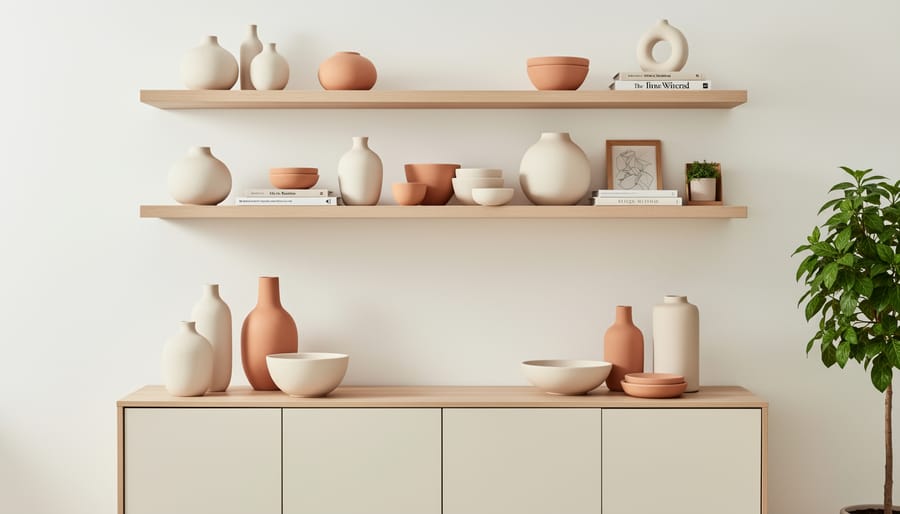
Matte ceramic pieces offer an instant modern upgrade without the investment of larger furniture. Unlike glossy finishes that can feel formal or dated, matte surfaces bring quiet sophistication, they catch light softly and pair beautifully with the natural textures you’ve layered elsewhere. A cluster of three matte ceramic vases in varying heights on a dining table or console creates visual interest without competing for attention. Look for pieces in neutral tones like sand, charcoal, or warm terracotta that echo the earthy palette trending in 2026.
The beauty of ceramics is their versatility across rooms. Use a matte planter to house a fiddle-leaf fig in your living room, group smaller vessels on open shelving in your kitchen, or place a single sculptural piece on a bedroom nightstand. These objects work as functional containers and as standalone art.
To style a shelf vignette, start with a medium-sized ceramic piece as your anchor, place it slightly off-center. Add a smaller ceramic object or natural element like a smooth stone, then balance with a short stack of books or a framed photo. Leave breathing room; overcrowding flattens the impact. This three-element approach creates depth while letting each piece shine. Swap items seasonally: fill vases with branches in fall, leave them empty in summer. The matte finish remains current regardless of what’s inside.
7. Design a Cozy Reading Nook with Natural Materials
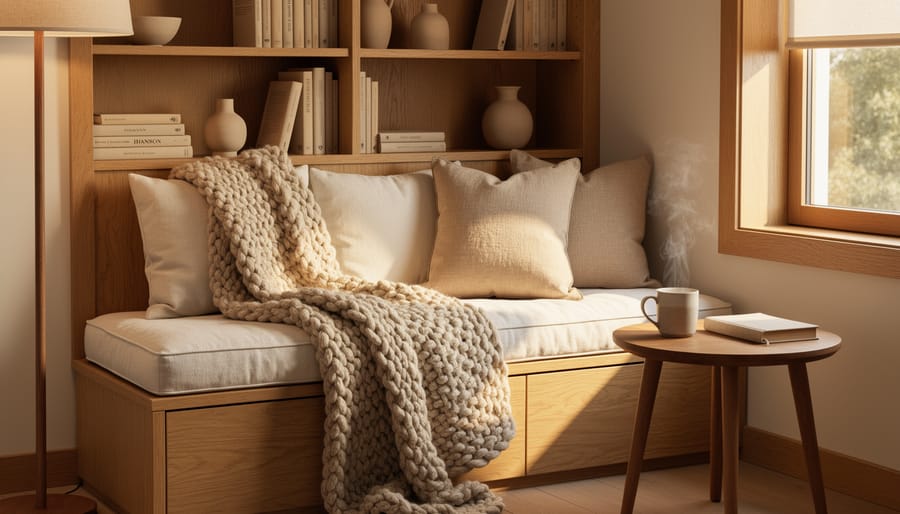
A reading nook pulls together nearly every warm, modern trend into one inviting corner. Start with a natural wood chair, something with visible grain and a simple silhouette, or a low wooden bench if floor space is tight. Layer a linen cushion in sand or warm gray on the seat, then drape a chunky wool throw over the arm. This combination of materials creates the tactile depth that defines 2026 interiors.
Position your nook near a window if possible, using natural light during the day. For evening reading, add a warm-toned floor lamp with a linen or paper shade. Keep the palette earthy: soft browns, muted greens, or terracotta accents through a small side table or ceramic mug holder within arm’s reach.
In small spaces, a corner with a floating shelf above the chair works beautifully. Stack a few books on the shelf, add a small ceramic vase, and you’ve created a complete reading moment in under two square feet. Larger rooms allow for a dedicated armchair zone with a round side table and floor cushions for guests.
This setup represents an affordable home refresh because you can start with what you own and add pieces gradually. A single wool throw transforms an existing chair; a wood stool doubles as seating and a side table. The key is layering natural materials in one spot until it feels intentionally cozy rather than accidentally cluttered.
8. Layer Ambient Lighting with Warm Tones
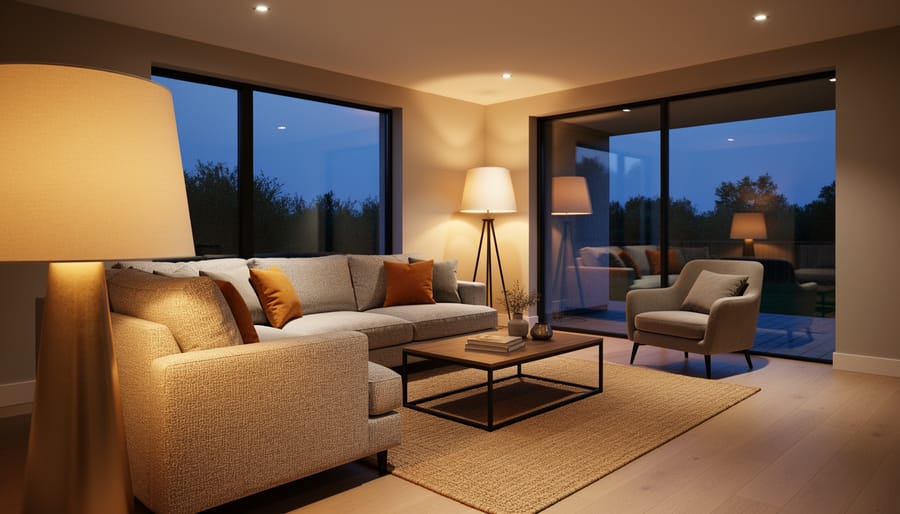
Lighting transforms how your modern room decor feels, shifting from bright and stark to inviting and warm. The key is layering: combine overhead ambient lighting, task lights for specific activities, and accent lights that highlight textures and create depth. Start with warm-toned LED bulbs (2700K, 3000K) in all fixtures, this simple swap instantly softens harsh white light and complements the earthy palette and natural materials you’ve introduced.
For fixtures, natural materials extend the room’s organic feel. A wood pendant lamp over a dining table, linen drum shades on bedside lamps, or a stone base table lamp on a sideboard all work as sculptural decor elements while providing soft illumination. Dimmer switches add flexibility across all price points, you can install them yourself for under twenty dollars and control mood instantly.
Budget-conscious updates might include replacing existing lampshades with linen or cotton versions and adding a table lamp with a ceramic or wood base. Mid-range investments could involve swapping one overhead fixture for a statement piece in natural materials. The goal isn’t uniform brightness but pockets of warmth that invite you into different areas of the room, making your modern space feel genuinely lived-in and cozy.
Bringing It All Together: Your Modern Room Refresh
You don’t need to transform your entire home to embrace these modern room decor ideas. Start with one or two elements that genuinely speak to you, maybe a bouclé throw pillow, a few matte ceramic vases, or a fresh coat of terracotta paint on an accent wall. The beauty of 2026’s warmer, nature-inspired aesthetic is its flexibility across budgets and personal styles. Mix the ideas that resonate with your space and lifestyle, layering textures and tones gradually rather than rushing a complete overhaul. Small, intentional changes create the most meaningful impact, and experimenting helps you discover what truly makes your room feel like home.
Frequently Asked Questions
What’s the difference between modern and contemporary room decor?
Modern decor refers to a specific design era (roughly mid-20th century) characterized by clean lines, minimal ornamentation, and functional furniture. Contemporary decor describes what’s current right now, in 2026, that means the shift toward natural materials, soft shapes, and warmer palettes we’ve covered in this article.
How much should I budget for a modern room refresh?
You can start with as little as $50-100 for small changes like textured throw pillows, matte ceramic vases, or a wool throw blanket. A more substantial refresh with new furniture pieces might run $500-2,000 depending on the room size and whether you’re buying new or vintage.
Where should I start if I want to update my room’s decor?
Begin with textiles and smaller accessories, swap out pillows, throws, and area rugs in natural fabrics like linen or wool. These changes make an immediate visual impact without commitment, and you can build from there once you see what works in your space.
Can I incorporate these trends without renovating or painting?
Absolutely. Most of the ideas in this article work through furniture, textiles, lighting, and decorative objects rather than permanent changes. Layer natural textures through throws and pillows, add stone or ceramic accents, bring in a curved chair, or switch to warm-toned bulbs, none require renovation.
These questions reflect what most readers worry about when they’re ready to refresh a room: understanding the style they’re working with, knowing what it will cost, figuring out the first move, and whether they can make changes as renters or without major upheaval. The beauty of the 2026 modern aesthetic is its accessibility, you don’t need a contractor or a massive budget to bring warmth and natural materials into your home. Start with one idea that excites you, see how it transforms the feel of your space, then add another layer when you’re ready.